When winter rolls through Lake County, your roof takes the hit long before you do. From heavy lake-effect snow to ice dams and freeze–thaw cycles, Ohio winters quietly test every nail, shingle, and seam on your home. The trouble is, most roof winter damage doesn’t announce itself until spring, when leaks, stains, and sagging start to appear.
At Raw Roofing Solutions, we’ve seen what a Northeast Ohio winter can do to even the toughest roofs. That’s why spotting hidden issues now can save you thousands later, and give you some well-earned peace of mind.
Key Takeaways
- Hidden warning signs: How to tell if your roof’s struggling after months of snow and ice.
- Real causes: What freeze–thaw cycles, snow loads, and ice dams actually do to your roof.
- Next steps: When to call for winter roof damage repair and how to prep your roof for next season.
We inspect every detail, every time, because small winter damage today can become big problems tomorrow. Schedule your free 19-point inspection today with your trusted local roofers in Mentor and Lake County.
How Winter Roof Damage Happens in Northeast Ohio
If you’ve lived near Lake Erie long enough, you already know: Ohio winters don’t play fair. One day it’s snowing sideways, the next it’s raining, and by the weekend, it’s 45° and sunny. That constant freezing and thawing wears your roof down from the inside out.
When temperatures swing, roofing materials expand and contract. Shingles crack, fasteners loosen, and flashing pulls away from chimneys and vents. Then meltwater seeps in, refreezes overnight, and forces everything apart again. Add lake-effect snow that sits heavy for days, and it’s no wonder spring leaks are so common here.
Here’s how winter really wears down your roof:
- Freeze–Thaw Stress: Water sneaks into tiny cracks, freezes overnight, and expands, slowly tearing apart shingles and seals.
- Ice Dams: When attic heat melts roof snow unevenly, that water refreezes at the eaves, trapping water that backs up under your shingles.
- Snow Weight: Wet, dense snow adds thousands of pounds to your roof deck. Over time, that stress can cause sagging or even structural damage.
- High Winds: Gusty lakefront winds loosen shingles, lift edges, and expose bare underlayment to moisture.
It’s a one-two punch, temperature swings and moisture working together to shorten your roof’s lifespan. That’s why our inspections after every winter focus on early detection before leaks make their way inside.
Spotting the Signs: Is Winter Roof Damage Hiding Over Your Head?
You don’t have to climb a ladder to know something’s off. Most winter roof damage shows up in subtle ways first. Keep an eye out for these red flags once the snow starts melting.
1. Water Stains Indoors
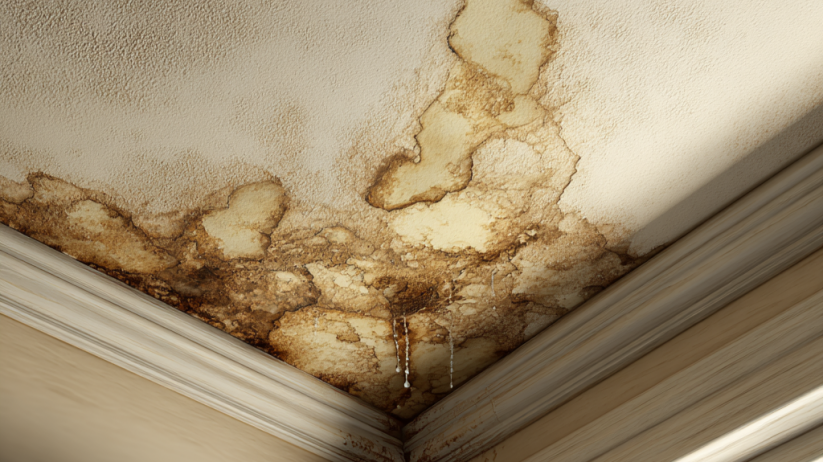
If you notice yellow or brown spots on your ceiling or walls, that’s not “just humidity.” It’s your roof telling you water’s getting in. Check your attic for damp insulation or frost buildup; it’s often the first place leaks show up.
2. Curling, Cracked, or Missing Shingles
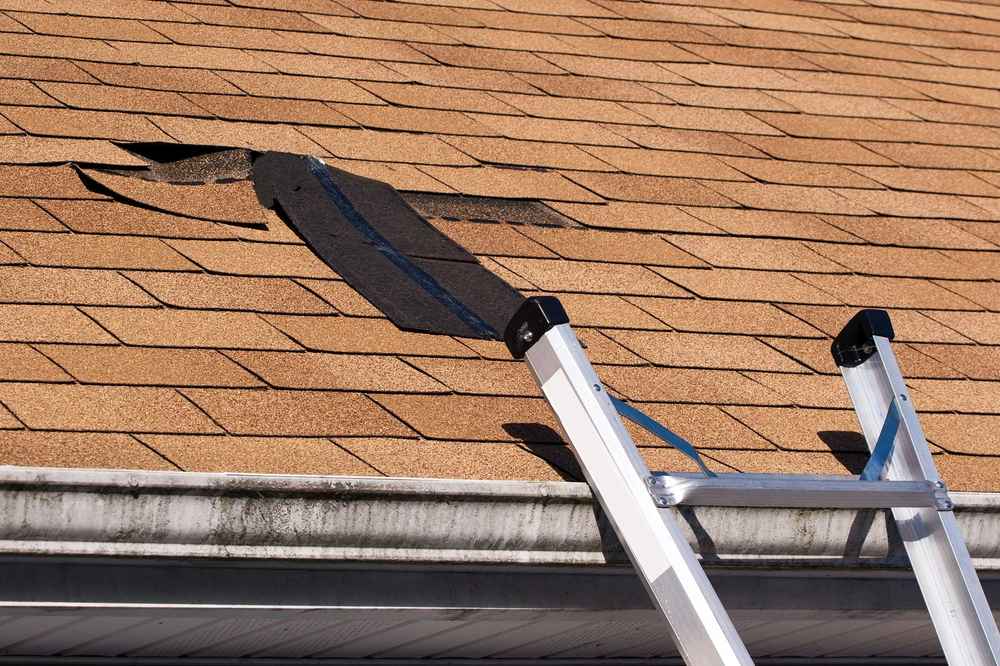
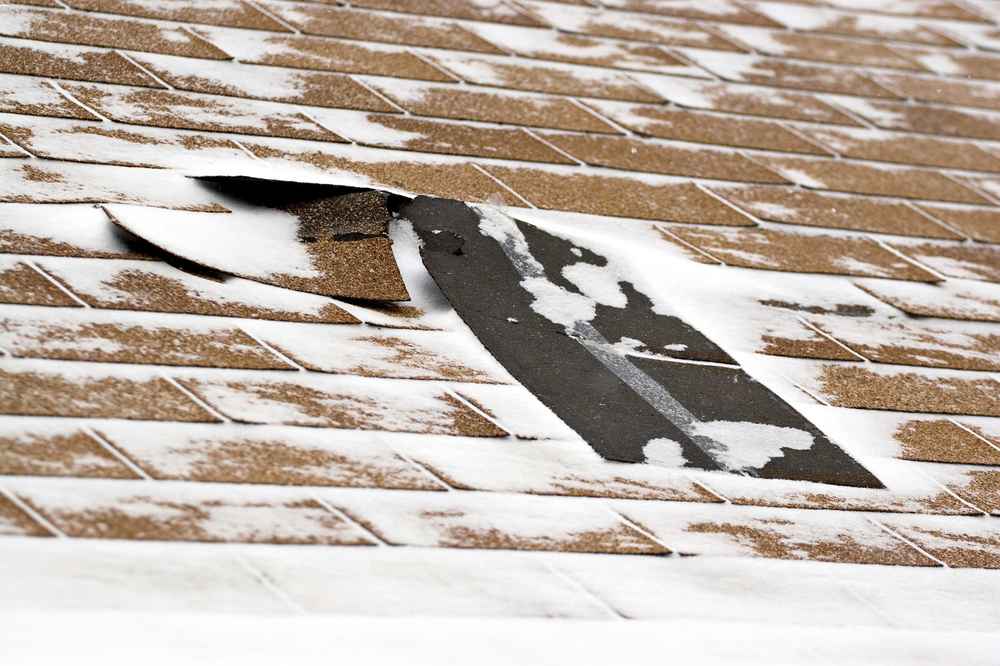
Take a quick look from the ground. Shingles that curl, crack, or disappear entirely are a classic sign of freeze–thaw damage. Once the granules wear off, your roof loses its weatherproof layer.
3. Ice Dams and Icicles
Those big icicles hanging from your gutters might look nice in a Christmas card, but they’re a bad sign in real life. Ice dams force melting snow back under shingles, where it seeps into your decking and attic.
4. Sagging or Uneven Rooflines
Heavy snow can push your roof structure to its limit. If you notice dips or uneven spots in your roofline, call a professional immediately; structural sagging only gets worse with time.
5. Mold, Musty Odors, or Damp Attics
Moisture trapped under shingles or insulation breeds mold fast. If your attic smells earthy or musty, it’s a sign that water has been lingering for a while.
6. Granules in Gutters
When shingles start losing granules, it’s like your roof shedding its armor. Check gutters and downspouts for coarse, sand-like debris; it’s a sure sign your shingles are wearing down.
Noticing one or more of these? It’s time for a professional look. We’ll climb up, check every seam, and document the damage so you can plan repairs with confidence.
What to Know Before Scheduling Winter Roof Damage Repair
Not all roof problems call for replacement. Sometimes, a few well-placed repairs are all it takes to protect your home until the next season. Here’s how to figure out what your roof needs.
- Roof Age: Roofs under 15 years old often just need patchwork repairs. Anything older might be due for a larger evaluation.
- Extent of Damage: Localized leaks or missing shingles are fixable. But if your roof is leaking in multiple areas, replacement may be more cost-effective long-term.
- Material Type: Asphalt shingles hold up well in Ohio’s climate, but synthetic materials like slate or cedar resist freeze–thaw stress better over time.
- Insulation and Ventilation: Ice dams are often a symptom of poor attic airflow, not bad shingles. Fixing insulation and vents helps prevent repeat issues.
- Timing: Early spring is the prime time for winter roof damage repair. Materials seal better in mild weather, and you’ll be ready before April’s heavy rain hits.
At Raw Roofing Solutions, we don’t push unnecessary replacements. Our 19-point inspection, complete with photos and honest recommendations, helps you understand exactly what’s going on above your head.
How to Protect Your Roof from Winter Damage (Next Year’s Game Plan)
We can’t stop Northeast Ohio winters, but we can outsmart them. Here’s how to prep your roof so it stands strong through snow, ice, and everything in between.
1. Improve Your Attic Insulation and Ventilation
A well-insulated, properly ventilated attic keeps your roof evenly cold, which prevents ice dams and frost buildup. It’s one of the most effective winter upgrades you can make.
2. Clean Your Gutters Before the First Snow
Clogged gutters trap water that freezes and pushes under your roofline. Clearing them in late fall gives melting snow a place to go instead of seeping into your home.
3. Trim Back Overhanging Branches
Snow-heavy limbs can snap and damage shingles or flashing. Trim them back about six feet from your roof to reduce the risk.
4. Schedule a Fall Inspection
Catching small problems, like loose flashing or minor leaks, before winter hits saves you from emergency repairs in January. A quick inspection now is worth months of peace of mind later.
5. Choose Durable Roofing Materials
If you’re ready for replacement, consider architectural or synthetic shingles designed for Ohio’s climate. They handle freeze–thaw stress better and last longer than standard 3-tab shingles.
A few proactive steps each year go a long way. We do this every shingle day, and we’ve seen the difference between a roof that’s prepared for winter and one that’s not.
Quick Checklist: Signs Your Roof Needs Post-Winter Attention
Before spring showers start, walk through this list:
- Water stains or leaks in the attic or ceilings
- Curling or cracked shingles visible from the ground
- Large icicles or ice dams at the eaves
- Uneven or sagging rooflines
- Mold or musty smells in the attic
- Shingle granules in gutters
If you checked even one box, book your free inspection with Raw Roofing Solutions. We’ll assess the damage, walk you through your options, and help you plan your repair before spring storms hit.