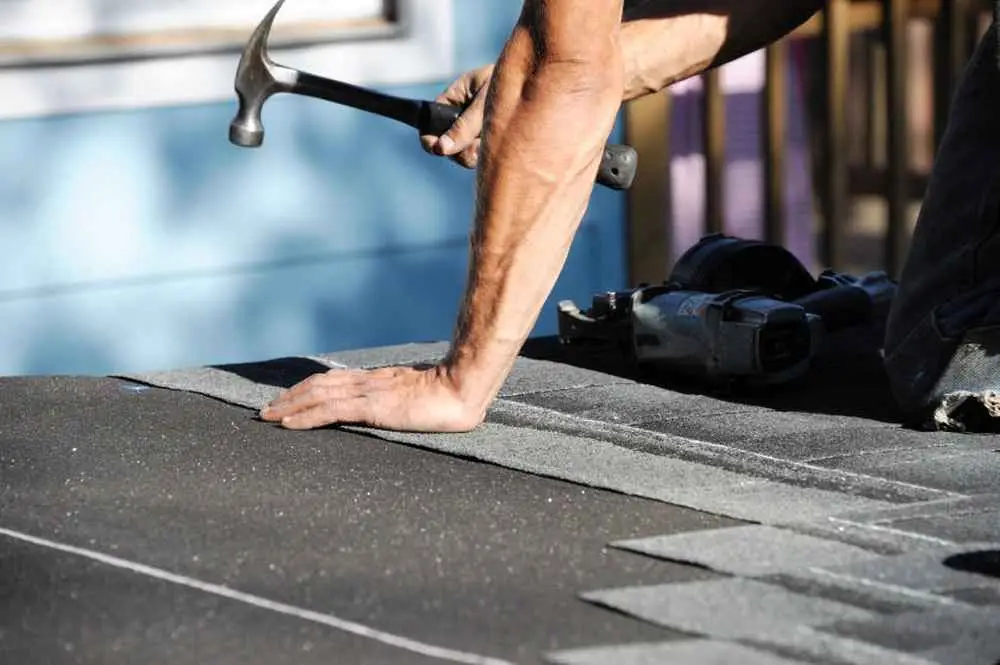

When your roof fails unexpectedly, everything else stops. Water starts dripping. Ceilings stain. Insulation soaks through. Maybe a tree limb punched a hole during a storm, or high winds tore shingles away overnight.
In those moments, you don’t need sales talk. You need answers, and fast.
That’s where emergency roofing services from Raw Roofing Solutions come in.
Whether it’s 2 PM or 2 AM, knowing what to expect from a 24-hour roofing service can make the difference between a manageable repair and a costly disaster.
Key Takeaways
- Emergency roofing services are needed when water is actively entering your home, structural damage is visible, or large sections of roofing are missing.
- Safety comes first. Contain interior leaks and avoid climbing onto a damaged roof.
- A 24-hour roofing service focuses on immediate stabilization first, then permanent repairs once conditions allow.
- Temporary fixes stop further damage but are not long-term solutions.
- Repair costs depend on damage severity and materials; early action prevents higher expenses.
- Most storm-related damage is covered by insurance, but fast documentation is essential.
- Regular inspections and maintenance greatly reduce the need for emergency roof repairs.
What Qualifies as a Roofing Emergency?
Not every roof issue requires urgent action. But some situations absolutely do.
True Roofing Emergencies Include:
- Active water is leaking into your home
- Large areas of missing shingles
- Exposed roof decking
- Tree or debris impact
- Structural sagging
- Ceiling bulging from trapped water
- Ice dams are causing interior leaks
- Storm damage is exposing the underlayment
When water is entering your home, time matters. Every hour increases the risk of:
- Mold growth
- Insulation damage
- Rotting decking
- Electrical hazards
- Drywall failure
This is when you call emergency roofing services, not schedule a routine appointment.

What To Do Immediately After Discovering Roof Damage
When you notice a leak or visible damage, stay calm and work through these steps.
1. Prioritize Safety
Do not climb onto the roof. Wet shingles, ice, and structural instability make it dangerous.
If you see downed power lines, stay inside and contact your utility company.
2. Protect the Interior
Reduce the amount of damage a roofing emergency can cause, such as:
- Moving valuables out of the affected area
- Placing buckets under leaks
- Laying down plastic or towels
If a ceiling bulges with water, carefully puncture the lowest point to release pressure and prevent collapse
3. Document Everything
Take photos of:
- Dripping water
- Ceiling stains
- Wet insulation
- Exterior damage that’s visible from the ground
- Date and time
Documentation helps with insurance claims later.
4. Contact a 24 Hour Roofing Service
When water is actively entering your home, don’t wait for business hours. A 24-hour roofing service can tarp, seal, and stabilize the situation quickly.
Temporary Emergency Roof Repairs
Emergency roofing services usually begin with damage control.
Common Temporary Solutions:
- Emergency roof tarping
- Leak sealing
- Temporary flashing repair
- Ice dam mitigation
- Emergency patching
A properly installed tarp can protect your home for several weeks, sometimes longer, depending on conditions.
But understand this clearly:
- Temporary repairs are designed to buy time, not permanently solve the problem.
- Permanent solutions come next.
What Happens During an Emergency Roof Inspection?
Once the roof is stabilized, a full inspection determines the real scope of damage.
A professional emergency roofing service will:
- Inspect the attic for hidden water intrusion
- Check decking and structural components
- Evaluate shingles, flashing, vents, and seals
- Identify storm impact areas
- Document everything thoroughly
What looks minor from the ground may reveal extensive damage up close.
This inspection determines whether you need:
- Minor repair
- Major repair
- Full roof replacement
How Much Do Emergency Roofing Services Cost?
Costs vary depending on damage severity, materials, and timing.
Minor Emergency Repairs
$150 – $500
(Shingle replacement, small flashing repair)
Moderate Repairs
$500 – $1,500
(Local leak repair, decking patch)
Major Emergency Repairs
$1,500 – $5,000+
(Structural damage, widespread shingle loss)
Full Roof Replacement
$8,000 – $25,000+
(Depending on size, materials, and scope)
What Affects Cost?
- Type of roofing material
- Extent of water damage
- Size of your room
- Labor timing (weekend, holiday, after-hours)
- Winter conditions
- Accessibility
- Insurance coverage
A reliable emergency roofing service will provide a transparent estimate after inspection.
Winter Roofing Emergencies
Winter makes everything more complicated.
Snow, ice, and freeze-thaw cycles expose weak points fast.
Common Winter Triggers:
- Ice dams are forcing water under the shingles
- Cracked flashing
- Heavy snow load
- Shingle brittleness
- Wind-driven snow
Yes, emergency roofing services can be performed in winter, and when there’s a lot of damage, it’s much better to fix it right away rather than waiting until Spring.
Working With Insurance After Roof Damage
Most homeowners’ insurance policies cover sudden storm-related damage.
Steps to Take:
- Contact your insurance provider promptly
- Provide photos and documentation
- Schedule adjuster inspection
- Have your roofing contractor present if possible
- Review estimate approval
Insurance typically covers:
- Wind damage
- Hail damage
- Fallen trees
- Storm impact
Insurance usually does not cover:
- General aging
- Lack of maintenance
- Neglect
Never authorize full repairs until the adjuster has reviewed the claim.
Repair vs Replacement: How to Decide
When you’re facing roof damage, one of the biggest questions is whether a repair will truly solve the problem, or if it’s time to replace the entire system.
The answer depends on age, extent of damage, and long-term goals. Emergency roofing services often reveal more than what’s visible from inside your home.
Here’s When A Roof Repair Makes Sense
The Roof Is Under 10 Years Old
Newer roofing systems typically have plenty of life left. If the structure and materials are still in good condition, targeted repairs can restore full protection.
The Damage Is Localized To One Section
A few missing shingles, damaged flashing, or a small puncture from debris can usually be fixed without replacing the whole roof.
The Decking And Structure Are Still Solid
If there’s no rot, sagging, or widespread water intrusion beneath the surface, repairs are often safe and cost-effective.
This Is The First Major Issue You’ve Experienced
One isolated storm event doesn’t automatically mean your entire roofing system has failed.
In these cases, emergency roofing services typically stabilize the damage and complete a permanent repair without unnecessary expense.
Here’s When Roof Replacement Makes Sense
The Roof Is Nearing The End Of Its Lifespan
Most asphalt shingle roofs last 15–25 years. If yours is close to that range, investing in repairs may only delay the inevitable.
You’re Dealing With Multiple Leak Points
Water intrusion in different areas suggests systemic failure, not just a single weak spot.
Ice Dams Keep Coming Back
Recurring winter issues often signal deeper problems with ventilation, insulation, or aging materials.
Structural Damage Is Present
Rotten decking, sagging sections, or compromised framing mean the roof system itself needs rebuilding.
Repairs Are Becoming Frequent
If you’ve patched the roof several times in the past few years, those costs add up quickly, often approaching the price of replacement.
Storm Damage Exposed Underlying Weaknesses
Severe weather sometimes reveals deterioration that was already developing beneath the surface.
The Bigger Picture
Emergency roofing services frequently uncover hidden damage once shingles are removed or wet areas are opened up. What initially appears to be a simple repair can sometimes expose aging underlayment, deteriorated decking, or improper previous installations.
In those situations, replacement isn’t about upselling; it’s about preventing repeat emergencies.
The smartest decision balances:
- Immediate safety
- Long-term durability
- Cost over time
- Insurance considerations
- Your plans for the home
A quality roofing contractor should walk you through both options clearly, show you documented findings, and help you make a decision based on facts, not pressure.
How Do Different Roofing Materials Handle Emergencies?
Different roofing materials respond differently during severe weather and emergency situations. Here’s how common systems perform.
Asphalt Shingles
Affordable and widely used, but can become brittle in cold weather and vulnerable to wind uplift. Typical lifespan: 15–25 years.
Architectural Shingles
Thicker and more durable than standard asphalt. Better wind resistance and longer lifespan of 25–30 years.
Metal Roofing
Excellent emergency durability. Sheds snow easily, resists ice dam formation, and handles high winds well. Typical lifespan: 40–70 years.
Slate or Tile Roofing
Extremely durable and resistant to freeze-thaw cycles. Heavy and long-lasting, often exceeding 75 years with proper structural support.
Upgrading to a more resilient roofing material can significantly reduce the likelihood of needing emergency roofing services in the future.
Preventing Future Roofing Emergencies
You can’t control storms. But you can reduce risk.
1. Schedule Annual Roof Inspections
Have your roof inspected at least once per year and after major storms.
2. Maintain Gutters
Clogged gutters cause water backup and ice dams.
3. Trim Overhanging Trees
Falling limbs are one of the top causes of emergency roofing services.
4. Address Small Repairs Quickly
Loose flashing or missing shingles are entry points during storms.
5. Ensure Proper Ventilation
Good attic ventilation reduces moisture buildup and ice dam formation.
Prevention costs far less than emergency repair.
Warning Signs Before a Roofing Emergency
Watch for these early red flags:
- Ceiling stains
- Granules in gutters
- Curling shingles
- Sagging roofline
- Moss or algae growth
- Rising energy bills
- Dripping sounds during rain
Early intervention reduces the need for a 24-hour roofing service later.
Timeline: From Emergency Call to Completion
Here’s what typical emergency roofing services look like:
- Same-day tarp or stabilization
- 1–3 days for inspection and estimate
- 1–2 weeks for insurance approval (if applicable)
- 1 day for minor repair
- 1–3 days for full replacement
Weather can extend timelines, especially in winter.