If your energy bills seem to climb every summer and winter, your roof may be part of the problem. Many Northeast Ohio homeowners start asking what energy-efficient roofing materials are when their home feels too hot in July or too cold in January.
The right roofing system does more than protect your home from rain and snow. It also helps regulate temperature, reduce energy use, and improve comfort year-round. At Raw Roofing Solutions, we help homeowners choose materials that actually perform in Ohio’s unpredictable weather.
Key Takeaways
- Energy-efficient roofing materials reduce heat transfer: That means less strain on your HVAC system and more consistent indoor comfort.
- Color, design, and ventilation all matter: It is not just the material itself, but how the full system works together.
- The best choice depends on your home and goals: There is no one-size-fits-all answer, but there is a right fit for your situation.
What Are Energy-Efficient Roofing Materials and How Do They Work?
When homeowners ask what energy-efficient roofing materials are, they are really asking how a roof can help control temperature and reduce energy costs. The answer comes down to how well a material reflects heat, releases heat, and insulates your home.
Energy-efficient roofing materials work in three main ways. First, they reflect sunlight instead of absorbing it. Second, they release heat quickly, so it does not stay trapped in your roof. Third, they help reduce heat transfer into your attic and living space.
In Northeast Ohio, this matters in both directions. Summer heat can build up in your attic, making your AC work harder. In winter, poor roofing performance can allow heat to escape, increasing heating costs. That constant cycle puts stress on your home and your wallet.
This is why choosing the right energy-efficient roof materials is not just about summer savings. It is about year-round performance. A properly designed roofing system, paired with good ventilation and insulation, can make a noticeable difference in comfort and efficiency.
What To Consider Before Choosing Energy-Efficient Roofing Materials
Before deciding on energy-efficient roofing materials, it helps to think through a few key factors. The goal is not just picking a material, it is choosing what works best for your home and long-term plans.
Climate
How does Northeast Ohio weather affect your roof?
You need materials that handle both summer heat and winter freeze-thaw cycles without breaking down.
Roof Color
Are you choosing light or dark tones?
Lighter colors reflect more sunlight, which helps reduce heat buildup in warmer months.
Home Design
What style fits your property?
Curb appeal matters. The right material should match your home while still improving efficiency.
Budget
What are you comfortable investing?
Some options cost more upfront but can save money over time through energy efficiency.
Longevity
How long do you want this roof to last?
Durability plays a role in long-term value, especially in Ohio’s changing seasons.
Maintenance
How much upkeep do you want?
Some materials require less maintenance while still offering strong performance.
If you are unsure where to start, this is where professional guidance helps. Choosing the right system is easier when you have clear, honest recommendations.
Energy-Efficient Roofing Materials to Consider for Your Home
Not all roofing systems perform the same when it comes to energy efficiency. Below are the most relevant energy-efficient roofing materials offered by Raw Roofing Solutions, built to handle Northeast Ohio conditions.
Asphalt Shingle Roofing With Modern Efficiency Features
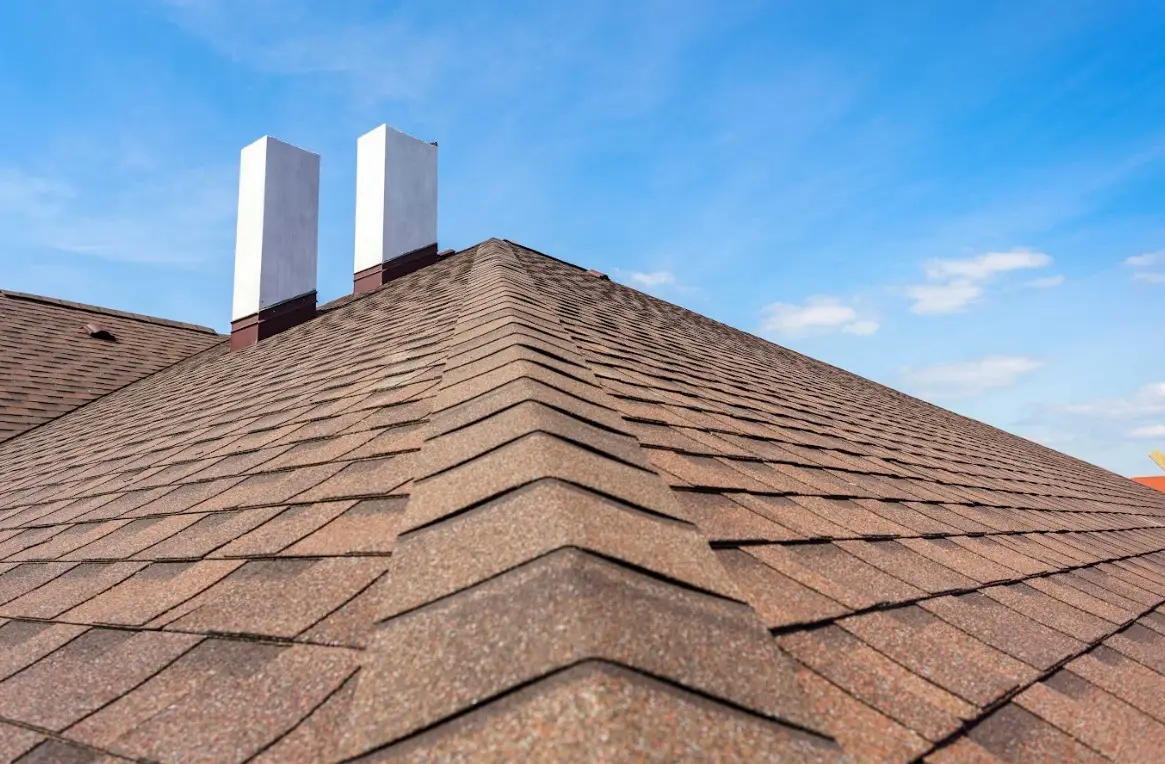
Asphalt shingles are one of the most common roofing options, but modern versions are far more advanced than older styles. Today’s architectural and premium shingles can include reflective granules that help reduce heat absorption.
Synthetic Slate Roofing for Long-Term Efficiency
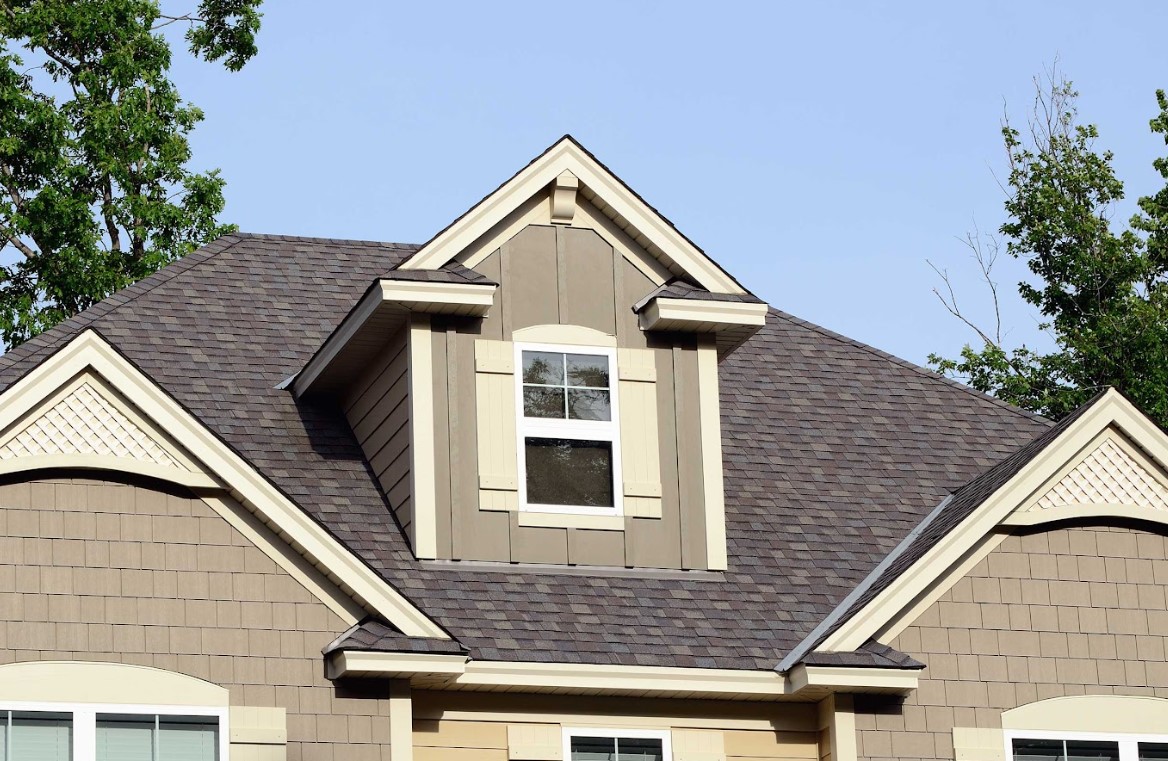
Synthetic slate offers the look of traditional slate with improved performance and less weight. It is designed to last longer and resist damage from moisture, temperature swings, and UV exposure.
Synthetic Tile Roofing for Heat Resistance and Airflow
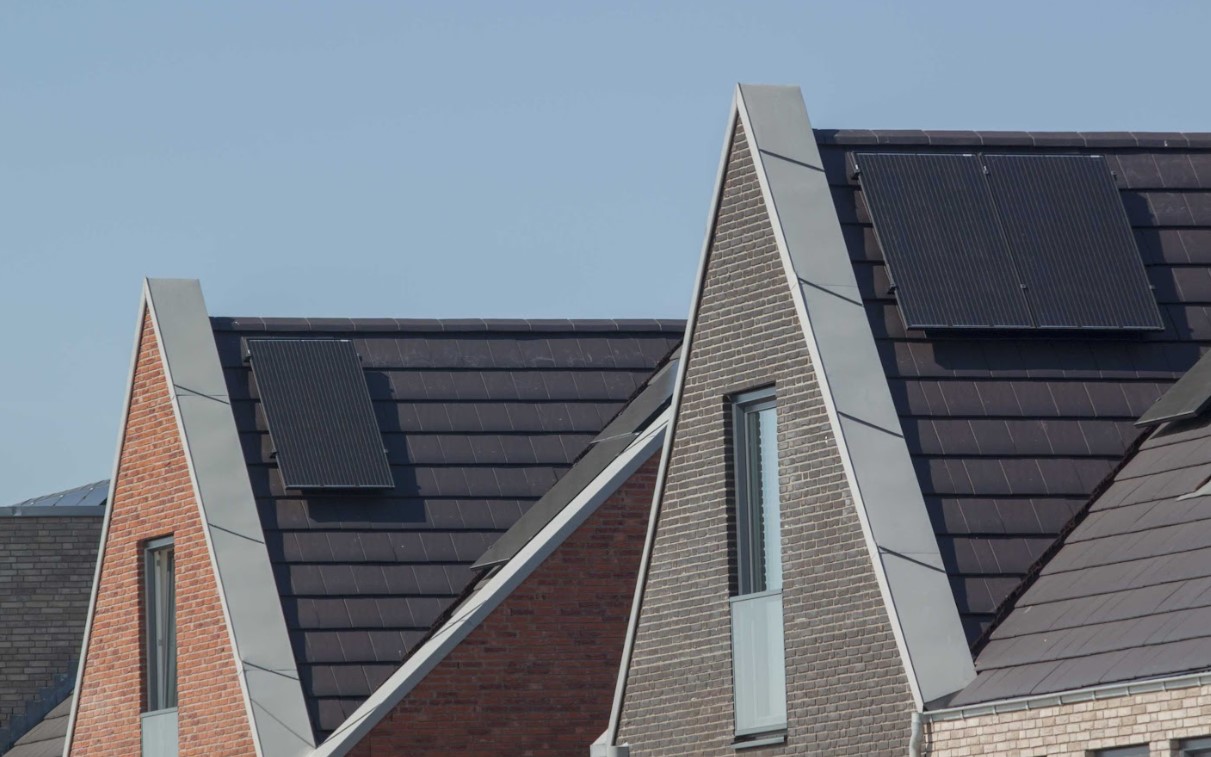
Synthetic tile roofing is built to mimic traditional tile while improving performance. Its design naturally allows airflow beneath the surface, which helps reduce heat transfer into the home.
This makes it a practical option for homeowners looking for energy-efficient roof materials that also enhance curb appeal.
Synthetic Cedar Roofing for Natural Insulation Benefits
Synthetic cedar roofing provides the look of wood without the common maintenance issues. It also offers natural insulating properties that help regulate temperature.
While it may not always be labeled as the most energy-efficient roof material, it performs well when combined with proper attic ventilation.
What Actually Makes the Most Energy Efficient Roof Material?
Reflectivity Plays a Bigger Role Than Most Think
One of the biggest factors in determining what the most energy-efficient roofing material is is how much sunlight it reflects. Materials or colors that reflect more sunlight help keep your roof surface cooler.
Ventilation and System Design Matter Just as Much
As mentioned earlier, the roofing material is only part of the equation. Proper attic ventilation allows heat to escape, preventing buildup that can affect your entire home.
Durability Impacts Long-Term Efficiency
A roof that breaks down quickly loses its ability to perform efficiently. Materials like synthetic slate and synthetic tile maintain their structure longer, which helps preserve their energy performance.
Color and Coatings Can Change Performance
Even within the same material type, color matters. Lighter shades reflect more sunlight, while darker ones absorb heat. Some shingles also include reflective technology to improve performance.
There Is No One “Best” Option for Every Home
The truth is, there is no universal answer to what energy-efficient roofing materials fit every situation. The best choice depends on your home, your goals, and how your roofing system is designed as a whole.
That is why working with a local expert matters. The right recommendation is based on real conditions, not guesswork.
Choosing Energy-Efficient Roofing Materials Starts With the Right Plan
If you are trying to improve comfort and lower energy costs, your roof is a great place to start. Here is a simple way to think about your options:
- Best for affordability: Asphalt shingles with reflective features
- Best for long-term durability: Synthetic slate roofing
- Best for airflow and heat resistance: Synthetic tile roofing
- Best for insulation and appearance: Synthetic cedar roofing
The right choice is the one that fits your home, your budget, and your long-term plans. Asphalt and synthetic options are both available for a residential roof installation in Perry, where wind off Lake Erie makes the choice especially important.