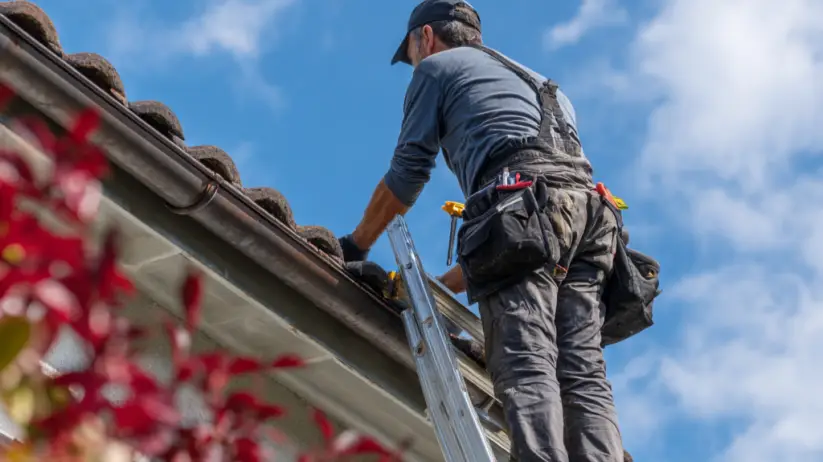
Spring in Northeast Ohio has a way of keeping homeowners humble. One day, it is sunny in Mentor, and the next day, you hear rain hit the gutters and wonder what winter left behind. A smart roof inspection checklist helps you catch small issues before spring storms turn them into expensive repairs.
If your home made it through snow, ice, and freeze-thaw cycles, now is the right time to look for missing shingles, loose flashing, and drainage problems. At Raw Roofing Solutions, we use this season to help homeowners make sense of what their roofs need and what can wait.
Key Takeaways
- A spring roof inspection checklist helps spot winter damage early: That means fewer surprise leaks and more time to plan repairs.
- Gutters, flashing, and attic moisture matter just as much as shingles: Roof problems often start around the edges and inside the home.
- Professional inspections add clarity: Raw Roofing Solutions documents every detail with a 19-point inspection and photo evidence, so homeowners can move forward with confidence.
The Basics of a Roof Inspection Checklist for Northeast Ohio Homes
A roof inspection checklist is simply a step-by-step way to review the parts of your roofing system that are most likely to fail after winter. That includes shingles, flashing, gutters, soffits, attic ventilation, and the signs of leaks inside your home. It keeps you from guessing and helps you focus on what actually matters.
In Northeast Ohio, spring inspections matter because winter damage is often sneaky. Ice dams, snow load, and freeze-thaw movement can loosen shingles or open small gaps around roof penetrations. You may not notice the issue until April rain starts dripping into the attic.
Local weather is the big reason this matters. Homes in Mentor, Painesville, Willoughby, and nearby communities deal with lake-effect moisture, wind-driven rain, and fast temperature swings. Those conditions are rough on aging roofs, especially homes that are 15 to 40 years old.
A good checklist also helps you decide when to call for residential roofing services. Some issues are visual and minor. Others, like soft decking, flashing failure, or hidden leaks, need a trained roofer. That is where a local team with real documentation and honest recommendations can save you time, money, and stress.
What You’ll Need Before You Start a Roof Inspection Checklist
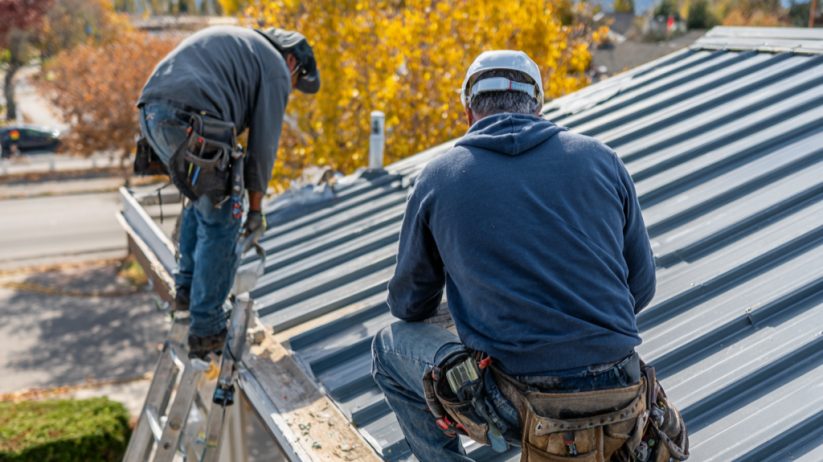
Before you work through a roof inspection checklist, take a minute to think like a homeowner, not a contractor. The goal is not to diagnose every roofing issue from the ground. The goal is to spot warning signs, stay safe, and know when professional help makes sense.
- Safety first: Can you inspect without climbing the roof? Use binoculars, walk the property, and check the attic. Wet shingles and steep slopes are not worth the risk.
- Age of the roof: How old is your current system? If your roof is pushing 15 to 20 years, small signs of wear may carry more weight.
- Storm history: Did winter bring ice dams or heavy wind? Past stress can point to weak areas now.
- Budget: What can you reasonably afford right now? A repair may be enough, or it may be smarter to plan ahead for replacement.
- Documentation: Do you need photos for insurance or planning? Clear pictures help if you file a claim or compare estimates.
- Professional backup: Would expert input save you guesswork? A contractor offering residential roofing services can catch hidden issues and explain options without pressure.
Spring Roof Inspection Checklist: What to Check First
A spring roof inspection checklist works best when you move from the outside in. Start with what you can safely see from the ground, then work indoors where roof problems often leave clues.
Check The Shingles For Winter Wear
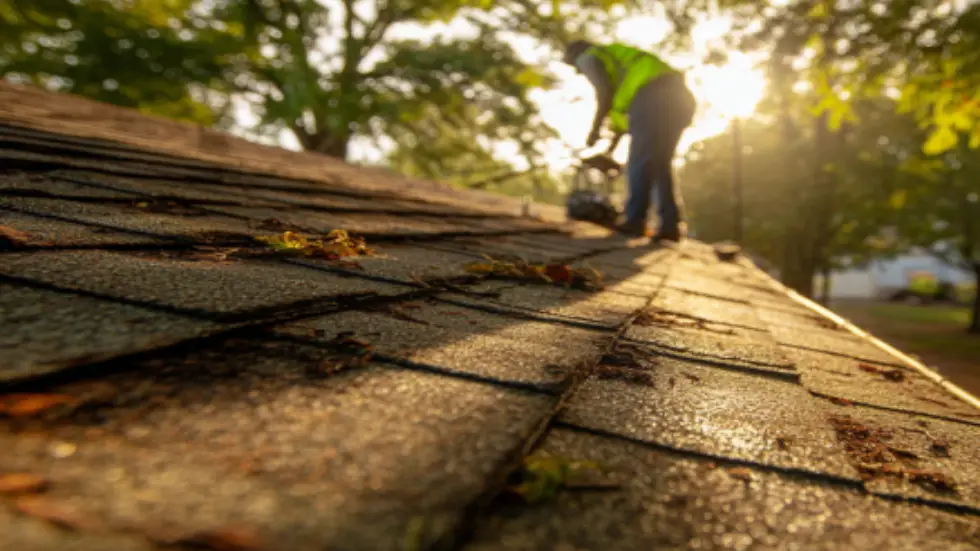
Look for missing, cracked, curling, or lifted shingles. In Northeast Ohio, freeze-thaw cycles can break the seal that keeps shingles flat and watertight.
Inspect Flashing And Roof Penetrations
Flashing is the metal material around chimneys, vents, and other roof openings. If it pulls away or rusts, water can slip in fast.
Look At Gutters And Downspouts
Check for clogs, sagging sections, loose fasteners, and shingle granules. Granules in the gutter may mean asphalt shingles are wearing down faster than they should.
Scan Soffits, Fascia, And Roof Edges
Peeling paint, staining, or soft wood can signal drainage problems. These edge details matter because roof leaks do not always start in the middle of the roof.
Head Into The Attic
Look for damp insulation, moldy smells, dark stains, or daylight shining through boards. That is often the first sign your roofing system is not venting or shedding water correctly.
Watch For Storm-Related Red Flags
If your neighborhood saw heavy wind or hail, a professional check is worth it.
If anything on this list looks questionable, you may need a roof repair. Catching problems early is how you avoid emergency calls later.
Your Best Next Move Is a Spring Roof Inspection Checklist
A simple spring check can tell you a lot about your roof’s condition. Here is the short version Raw Roofing Solutions would want any homeowner to keep in mind:
- Shingles: Look for missing, curling, cracked, or lifted areas
- Flashing: Check around vents, chimneys, and skylights
- Gutters: Clear debris and watch for sagging or granule buildup
- Attic: Look for moisture, stains, mold, or daylight
- Roof edges: Inspect fascia and soffits for water damage
- Storm signs: Note any recent wind or hail concerns
You do not need to know every roofing term to make a smart call. You just need a clear checklist and a trusted local team when questions come up.